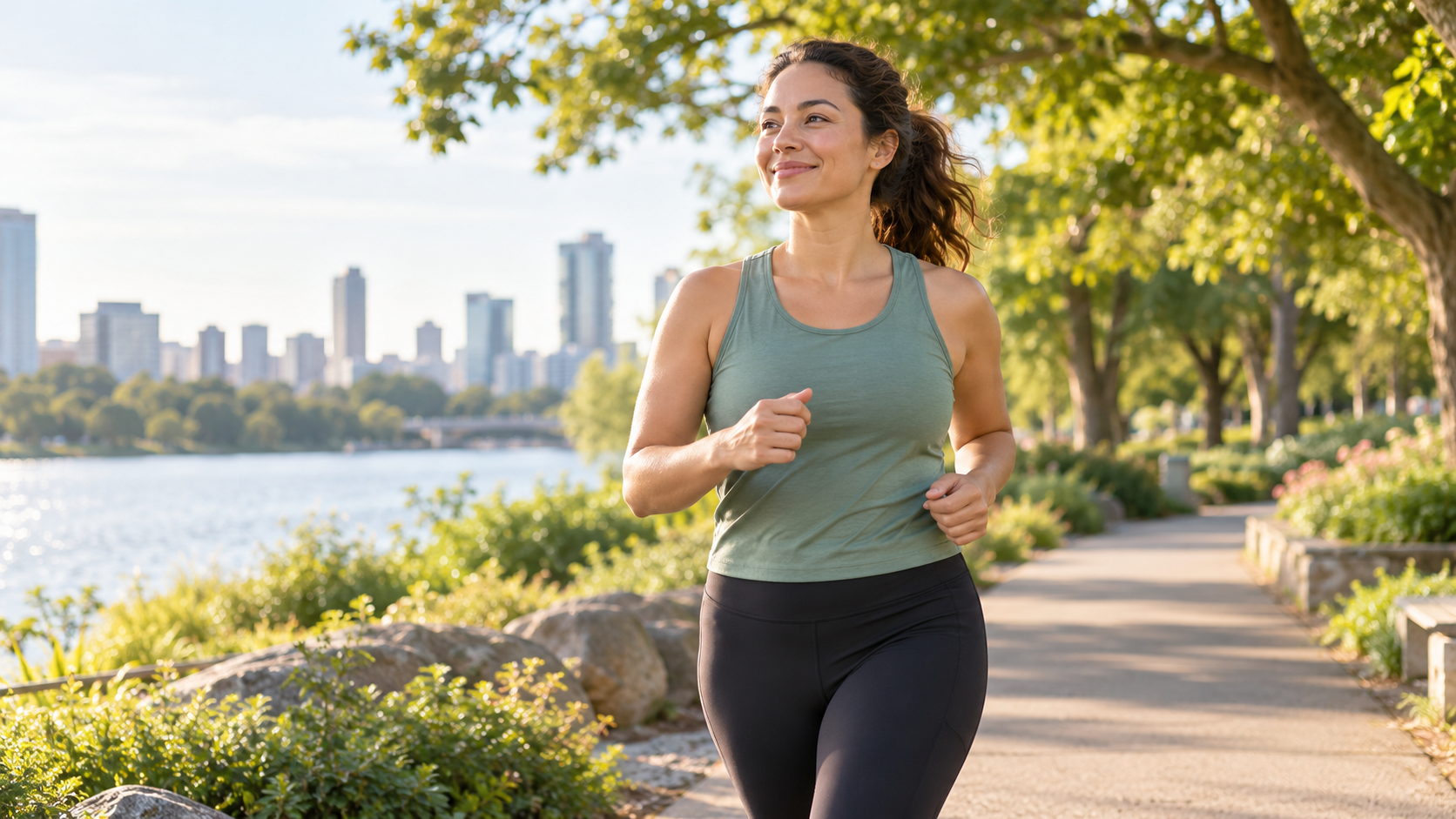
The surface under your feet changes how a walk or run feels, but it does not decide whether the session is “good.” For beginners, the most useful surface is usually the one that feels safe, comfortable and easy to reach again next week.
If you are still building the basics, start with the walking and running for fitness guide and use this article to choose a setting that supports consistency.
What changes from one surface to another?
Pavement is firm and predictable. A trail may be softer or more varied, but it can include stones, roots, slopes and changes in traction. A treadmill gives you control over speed and weather, although the belt and indoor setting feel different from outdoor movement.
None of these differences makes one option universally superior. They simply change what you need to notice: footing, pace, visibility, temperature, traffic and how your body responds.
Pavement: simple and repeatable
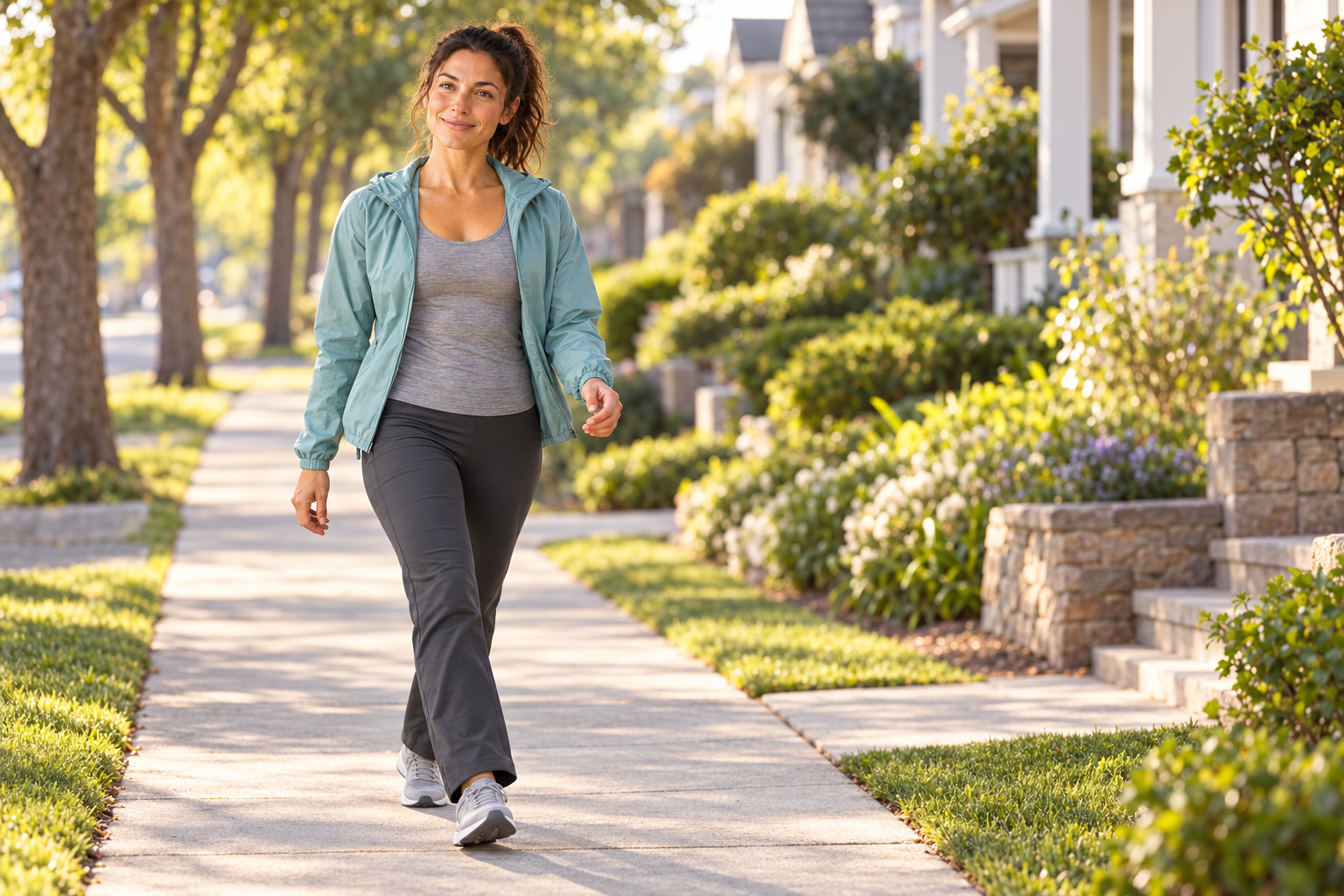
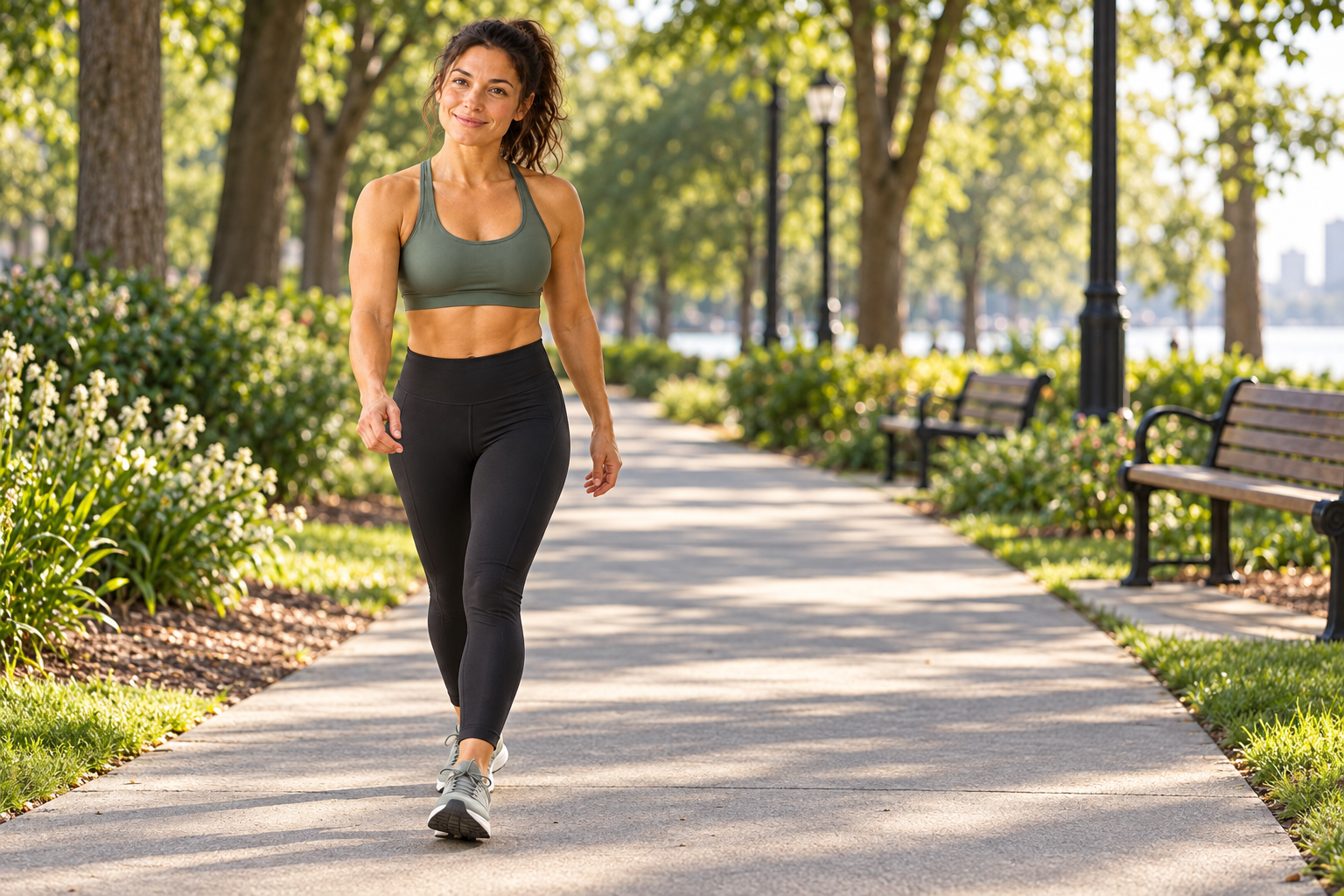
A flat paved path can be a strong starting point because it is easy to see, measure and repeat. You can choose a short loop, practise a comfortable pace and turn back without navigating complicated terrain.
The trade-off is that pavement is firm and can feel repetitive. If you are introducing running, begin with short intervals and let your body adapt. Comfortable shoes, gradual progression and attention to persistent pain matter more than trying to find a perfect surface.
Pavement can suit you when:
- you want a predictable route;
- you are learning how long a session feels;
- you need a flat path for pacing;
- the route is safe, visible and easy to access.
Trails: variety with more attention
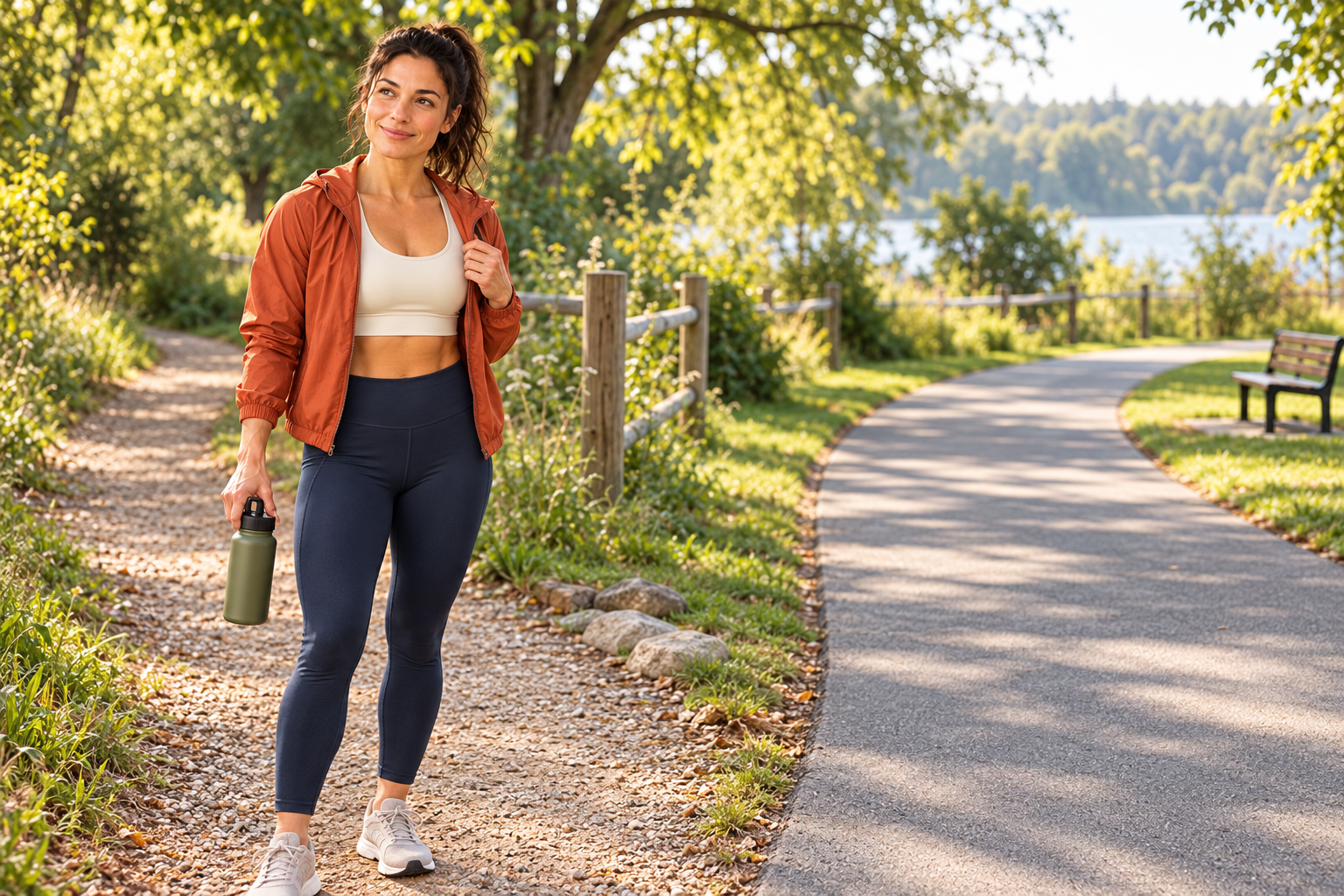
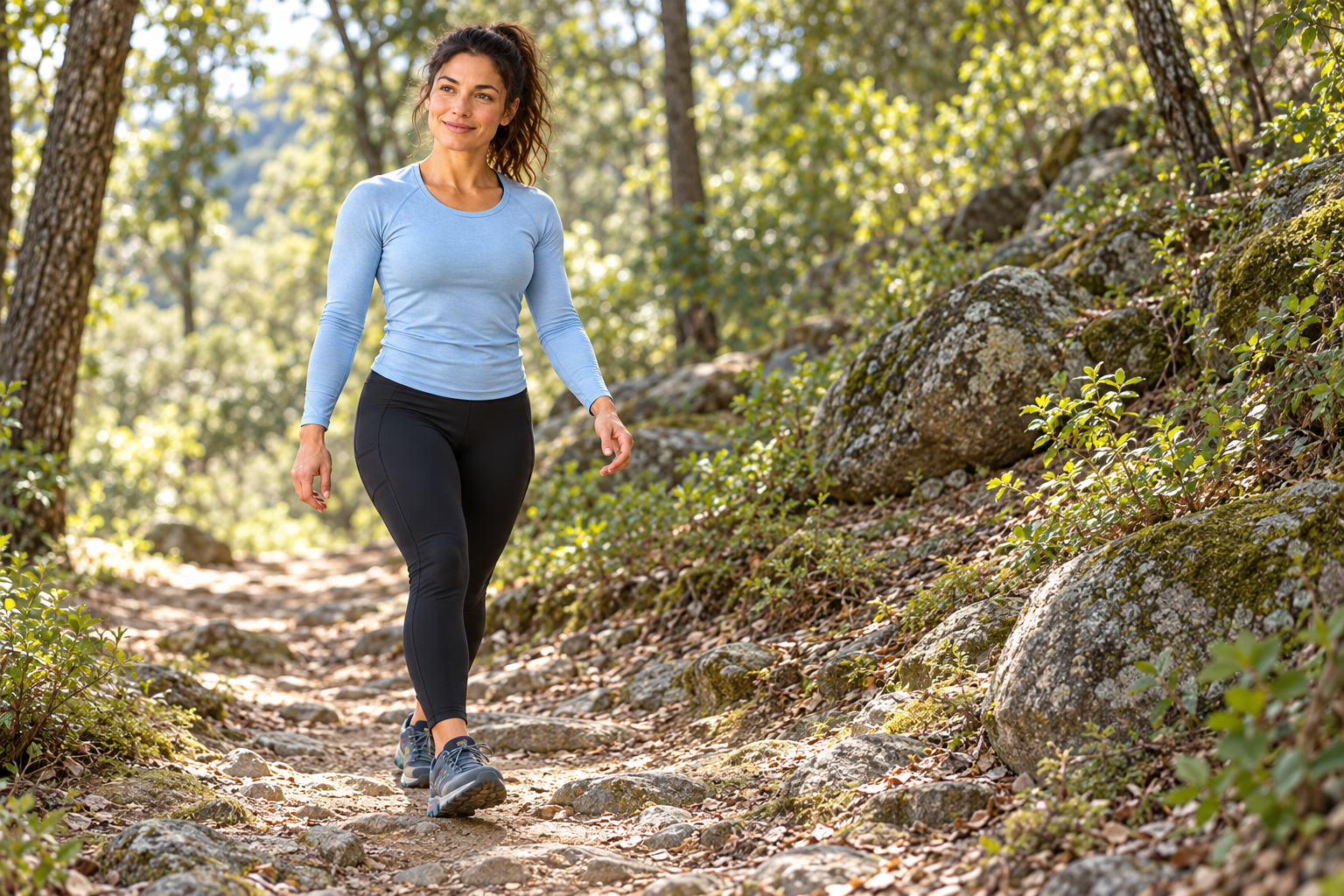
A gentle trail can make movement feel more interesting and may encourage a slower, attentive pace. The surface can also change from one step to the next, so look ahead, keep your steps controlled and choose a route that matches your experience.
Start with a compact, well-maintained trail rather than a steep or technical route. In wet, dark or crowded conditions, choose the option that gives you better visibility and secure footing. Trail shoes are not automatically necessary for every easy park path, but your footwear should feel stable and comfortable.
Treadmill: controlled and weather-proof
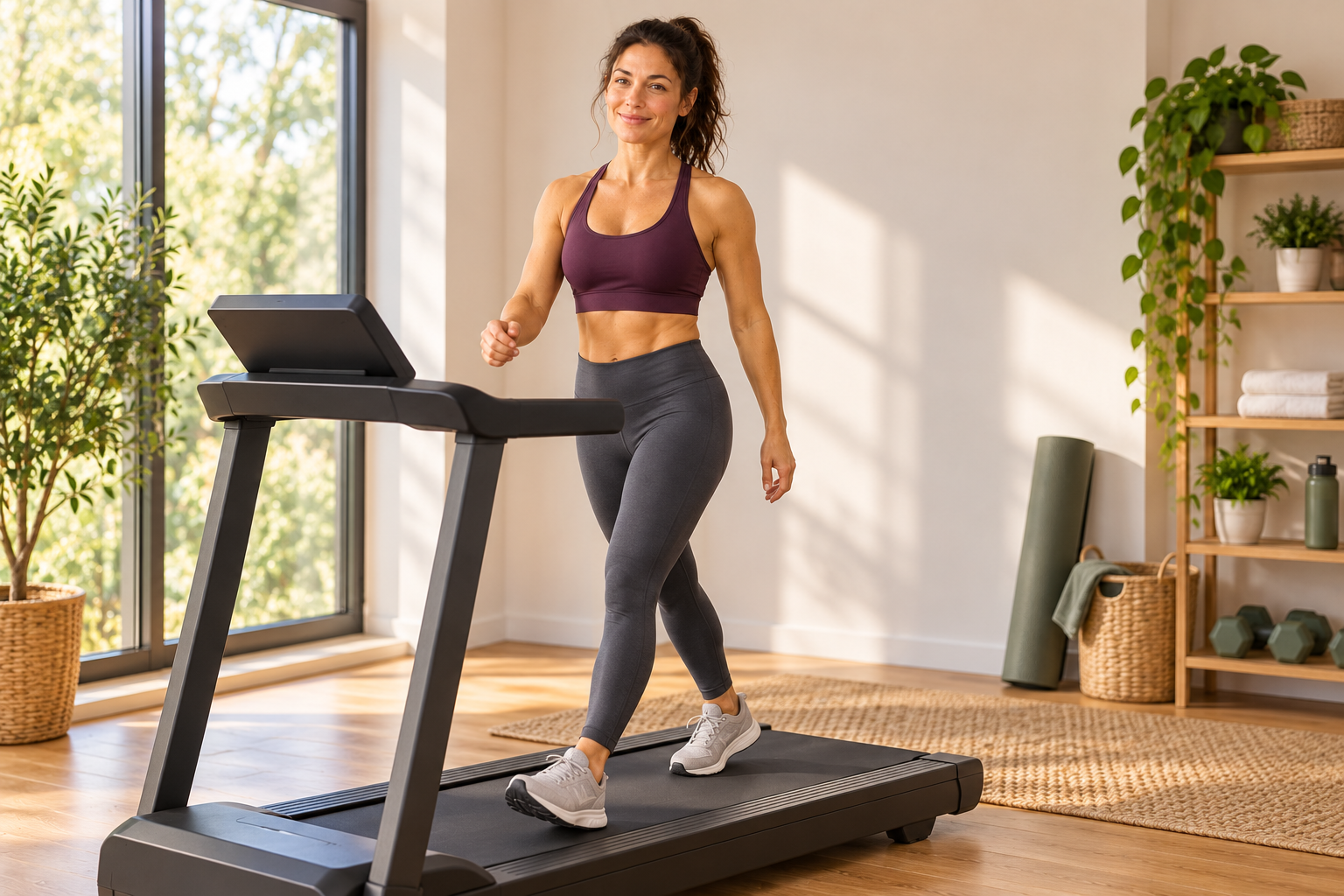
A treadmill can remove barriers such as rain, heat, poor visibility or an unsafe outdoor route. You can set a manageable speed, stop easily and keep a simple record of duration.
Keep the first sessions easy. Hold the rails only when needed for safety, and avoid raising speed and incline together. If you plan to walk or run outdoors, add outdoor practice when it is safe so your body experiences turns, wind and changes in surface.
How to choose your starting surface
Ask four practical questions:
- Can I get there without making the session complicated?
- Can I see where I am stepping and turn back easily?
- Can I keep the effort comfortable enough to talk in short sentences?
- Will the surface and shoes still feel okay during and after the session?
If the answer is yes, you have a reasonable starting point. You can always mix surfaces later for variety. A short, repeatable route is often more valuable than an ideal route you rarely use.
A simple way to mix surfaces
Try two or three sessions in a week, adjusting around your current fitness and recovery:
- one easy, predictable session on pavement or a treadmill;
- one optional gentle trail or outdoor route if footing and visibility are good;
- one session that stays short and easy when your schedule or energy is limited.
Change one variable at a time. If you add hills or uneven ground, keep the duration or pace steady. If you increase duration, keep the surface familiar for a little longer.
When to change the plan
Slow down, shorten the session or choose a more predictable surface if you feel unstable, the weather changes, visibility drops or pain alters your movement. Stop and seek appropriate medical advice for chest pressure, faintness, unusual shortness of breath or pain that persists.
The goal is not to prove that you can handle the hardest route. The goal is to find a surface that lets you move consistently and progress without unnecessary friction.
Frequently asked questions
Should beginners start on a treadmill?
They can, especially when weather, traffic or safety makes outdoor movement difficult. A flat outdoor route is also a good option when it is accessible and comfortable.
Is a softer trail always easier?
No. A softer surface may still be uneven, sloped or slippery. Judge the whole route, not just whether the ground feels soft.
Do I need different shoes for each surface?
Not always. Choose footwear that fits well, feels secure and matches the route. Specialised shoes may help for specific terrain, but they are not a substitute for gradual progression.
Sources
- CDC: Measuring Physical Activity Intensity
- ODPHP: Physical Activity Guidelines for Americans
- NHS: Couch to 5K
This article is for general education and is not a diagnosis or a personalised training prescription. If you have a health condition, symptoms or questions about starting exercise, speak with a qualified health professional.
Common questions
Is pavement bad for your joints?
Pavement is a firm surface, but it is not automatically harmful. Start gradually, use comfortable shoes and adjust if pain persists.
Are trails better than roads for walking?
Not necessarily. Trails can be enjoyable and varied, while a flat paved route may be easier to follow and repeat.
Can I train on a treadmill for an outdoor event?
Yes, especially for building consistency. Add some outdoor sessions later if the event involves terrain, turns or weather changes.
This article is for general information and isn’t a substitute for personal medical advice. If you have health concerns, speak to a qualified professional.