


Supplements
Creatine: what it is, what the research supports and who should check first
A calm, evidence-led introduction to creatine: what it does, where the research is strongest, what remains uncertain and when to ask a health professional.
A journal for every body
Thoughtful stories, practical perspectives, and clear evidence for the way you want to live.
A calm, evidence-led introduction to creatine: what it does, where the research is strongest, what remains uncertain and when to ask a health professional.
Read the storyFour areas, one simple approach.
A calm, evidence-led introduction to creatine: what it does, where the research is strongest, what remains uncertain and when to ask a health professional.


Practical guides to moving more, getting stronger and recovering well — written for real schedules and real bodies, whatever your starting point.

A practical beginner's guide to walking and running for fitness: how to start from your current level, choose an easy pace, add running gradually, and keep the habit going.
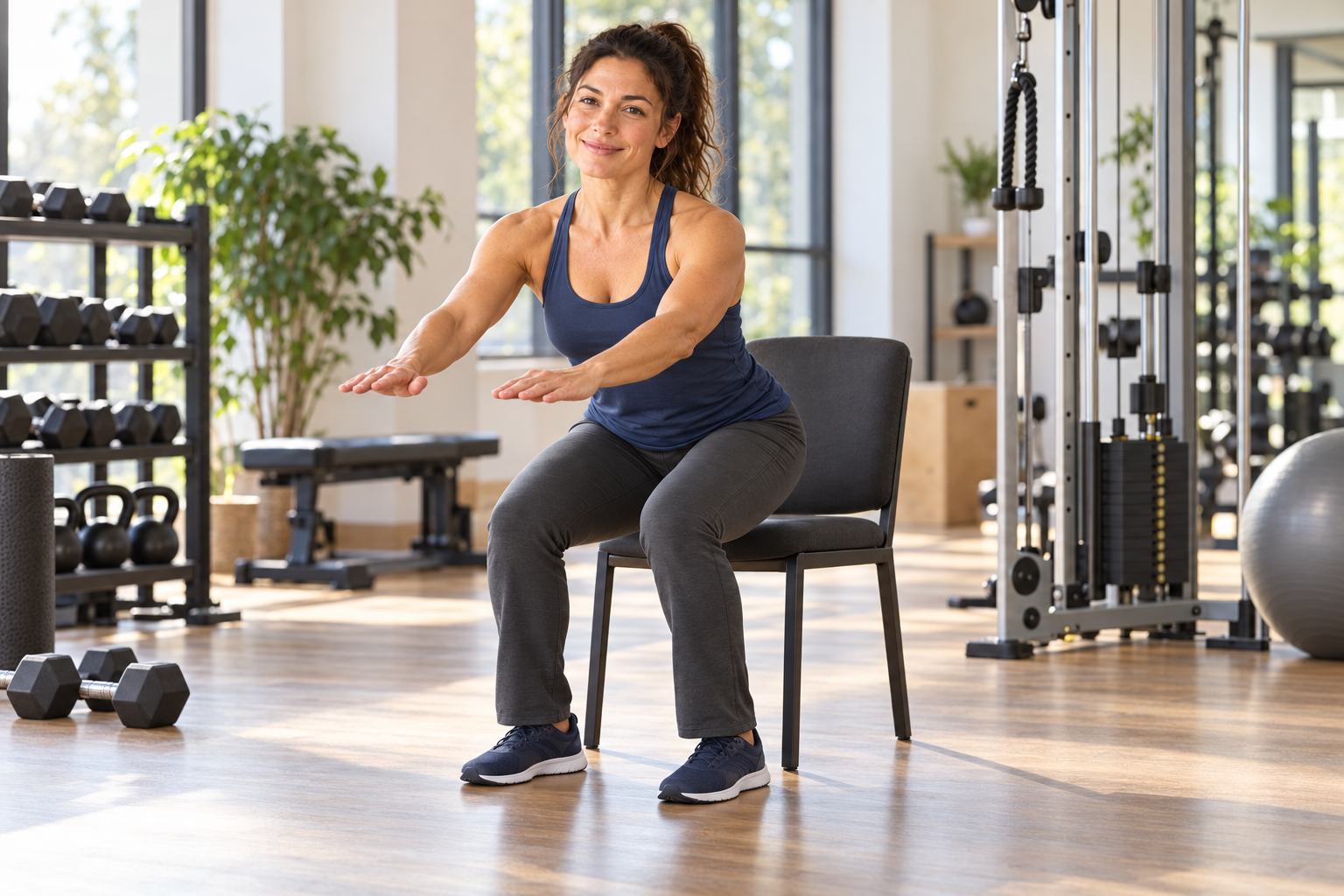
A calm, practical guide to starting strength training after 50, with beginner-friendly variations, recovery, balance and clear safety boundaries.

A calm, evidence-aware guide to starting strength training as a woman, including worries about getting bulky, menstrual-cycle claims, midlife context and gym confidence.
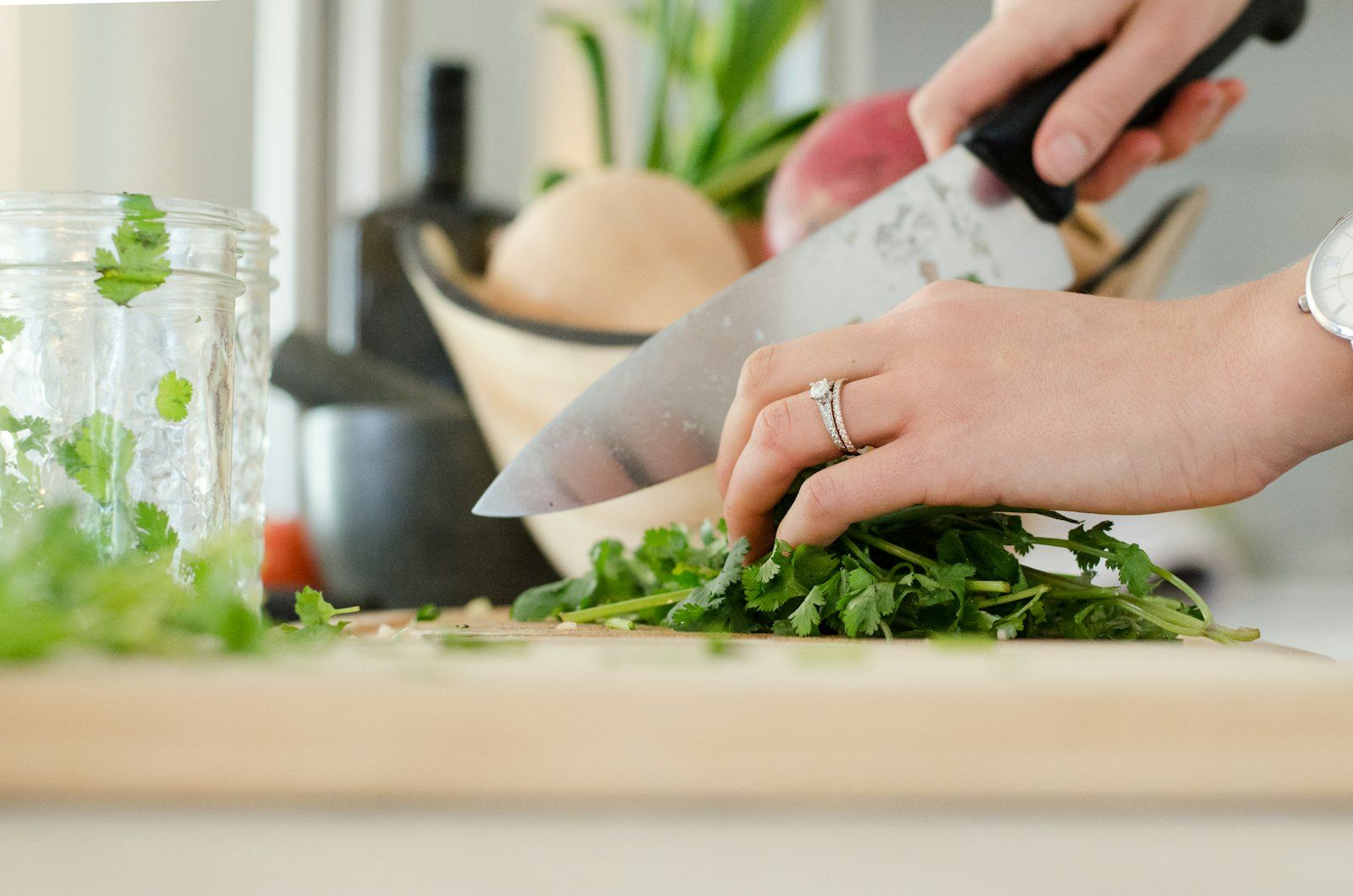
Clear, practical guidance on everyday eating — balanced meals, protein, hydration and the ingredients worth keeping in your kitchen.

Simple swaps that move protein earlier in the day, with or without eggs.

Why the “eight glasses” rule is a rough guide at best, and better cues to follow.
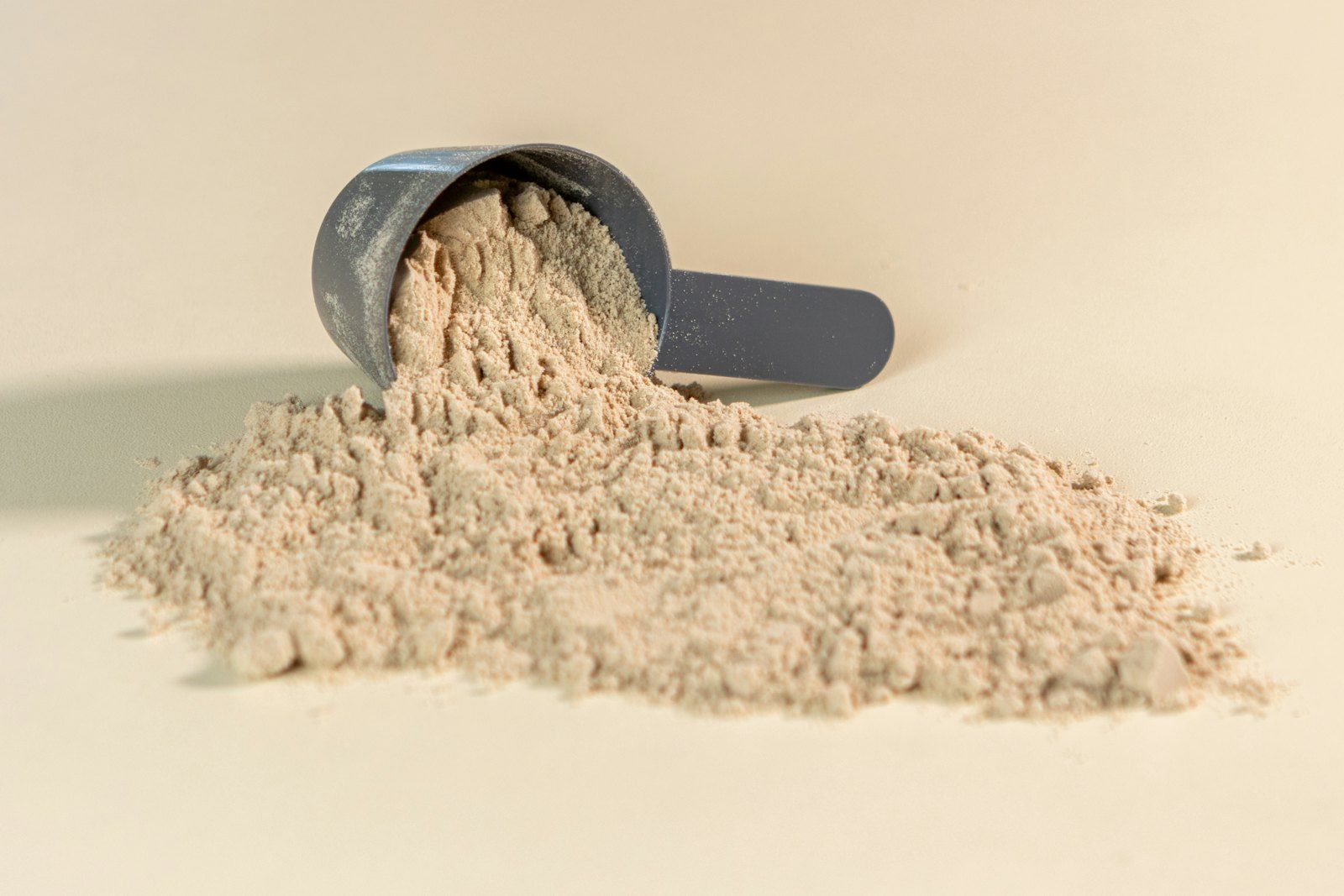
Calm, clear explainers on vitamins, minerals, protein powders and botanicals — what they are, what the evidence supports, and where it is thin.

A practical, evidence-led guide to low iron, anaemia, food sources, supplement side effects and why the cause of low iron matters.

A clear guide to vitamin B12, dietary risk, absorption, medication context and the limits of ‘energy’ supplement claims.

A calm guide to vitamin D supplements, blood tests, food and sunlight, safety limits, and the questions worth taking to a clinician or pharmacist.

A careful guide to creatine and cognition, separating biological plausibility from human outcomes and avoiding promises about memory, focus or disease.
Sleep, stress, rest and the small daily routines that hold everything else together — practical ideas you can try this week.

Small evening habits that make the next morning feel less rushed.

Screens off, page on: a gentle routine for nights when your mind won’t settle.

Light, water, movement and a few quiet minutes before the day takes over.
PLENTIST explains what the evidence supports, says clearly where it is thin, and keeps every guide practical enough to use this week.